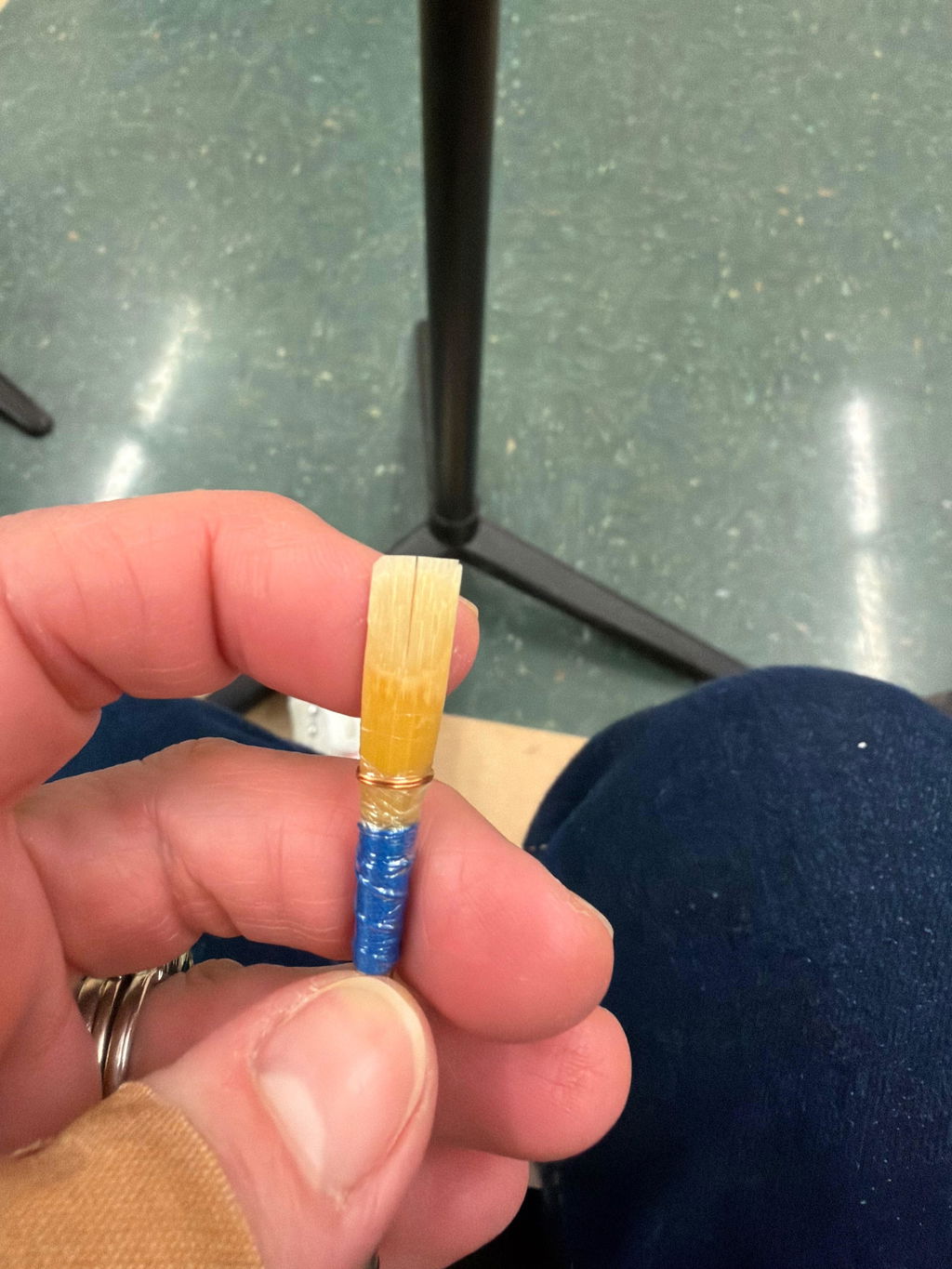
How to Choose the Right Reed Strength for Oboe or Bassoon
Why Reed Strength Matters
Reed strength — sometimes called reed hardness — describes how much resistance a reed offers when you blow through it. Get it right and your tone opens up, your intonation steadies, and playing feels effortless. Get it wrong and you'll either be fighting the reed or producing a thin, uncontrolled sound.
The good news: there's a logical framework for choosing, and it doesn't take long to find your sweet spot.
What Do Soft, Medium, and Hard Actually Mean?
Reed makers use different terminology, but the underlying scale is consistent:
- Soft (or Easy) — Less resistance, easier to blow, responds quickly. Ideal for beginners and younger players whose embouchure is still developing.
- Medium-Soft — A popular choice for intermediate players. Offers a balance of response and tone without demanding too much from the embouchure.
- Medium — The most widely used strength among advancing and professional players. Provides full tone and good control.
- Medium-Hard / Hard — Greater resistance, richer tone, but requires a well-developed embouchure. Favoured by experienced professionals, particularly in orchestral settings.
It's worth noting that reed strength is not standardised across makers — a "medium" from one maker may feel like a "medium-soft" from another. Always treat strength labels as a starting point, not an absolute.
Choosing Reed Strength by Playing Level
Beginners
Start with soft or medium-soft. A softer reed responds more easily, which lets you focus on tone production and technique rather than fighting resistance. As your embouchure strengthens over months of practice, you'll naturally find yourself ready to move up.
Intermediate Players
Most intermediate players settle comfortably on medium-soft to medium. At this stage you have enough embouchure control to handle a little more resistance, and the tonal rewards are noticeable — fuller sound, better projection, more dynamic range.
Advanced and Professional Players
Advanced players typically use medium to medium-hard, with some professionals preferring hard reeds for the depth of tone they produce. At this level, personal preference and the acoustic demands of your ensemble (chamber, orchestral, solo) play a big role.
Oboe vs Bassoon: Are There Differences?
Yes — and it's worth understanding them. Oboe reeds are smaller and more sensitive to embouchure pressure, so strength differences feel more pronounced. Bassoon reeds are larger and the resistance is distributed differently across the reed's surface.
For oboe players, we recommend browsing our Oboe Reeds collection, which includes reeds across the full strength range from trusted makers. Bassoon players can explore our Bassoon Reeds collection for a comparable range.
If you're unsure where to start, our Bassoon Reed Finder is a great tool for narrowing down options based on your level and preferences.
Other Factors That Affect How a Reed Feels
Strength is just one variable. These factors also influence how a reed plays:
- Cane quality — Higher-density cane tends to produce a more stable, responsive reed regardless of strength.
- Scrape style — French and German scrapes behave differently, particularly for oboe.
- Climate and humidity — Reeds are sensitive to moisture. A reed that plays as a medium in a humid environment may feel harder in dry conditions.
- Your instrument — The bore and keywork of your oboe or bassoon interact with the reed. Some instruments suit a slightly softer or harder reed than average.
Practical Tips for Finding Your Strength
- Try a mixed pack first. If you're unsure, buying a small selection across two adjacent strengths (e.g., medium-soft and medium) lets you compare.
- Play-test over several days. Reeds change as they break in. Don't judge a reed on its first outing.
- Ask your teacher. An experienced teacher can often identify whether you're fighting a reed that's too hard or compensating for one that's too soft — sometimes before you can hear it yourself.
- Keep notes. When you find a reed that works well, note the maker, strength, and batch. This makes reordering much easier.
Ready to Find Your Reed?
Browse our full range of oboe reeds and bassoon reeds, or get in touch if you'd like a recommendation — we're always happy to help.